Working in healthcare means dealing with fast-paced, high-risk situations every single day, whether it’s exposure to infectious diseases to managing hazardous chemicals and heavy equipment. That’s why OSHA safety training isn’t just about ticking a regulatory box; it’s essential for keeping both staff and patients safe. The Occupational Safety and Health Administration (OSHA) sets clear, strict standards to help healthcare practices reduce injuries and illnesses, making your workplace safer for everyone.
At EMR-EHR, we understand that comprehensive OSHA compliance is a critical part of healthcare operations, just like efficient medical record management. Integrating OSHA safety training documentation into your practice’s workflow is easier with EMR-EHR’s solutions, which can track certifications, training schedules, and compliance status easily.
This guide provides a comprehensive overview of the essential OSHA training for healthcare workers, what standards healthcare facilities must meet, and how to implement effective training programs to maintain compliance.
Simplify OSHA Training Compliance with EMR-EHRs
Understanding OSHA and Its Role in Healthcare
What is OSHA?
OSHA is a federal agency under the Department of Labor tasked with ensuring safe and healthful working conditions for employees across various industries. Established in 1970, OSHA enforces workplace safety regulations and provides education and assistance to employers to help reduce workplace hazards.
OSHA’s Mission and Objectives
OSHA’s core mission is to prevent workplace injuries, illnesses, and deaths by enforcing safety standards, promoting effective training programs, and fostering continuous improvement in occupational health.
Common Workplace Hazards in Healthcare That OSHA Addresses
Healthcare workers face numerous occupational hazards:
- Bloodborne pathogens, such as HIV and Hepatitis viruses, pose a significant infection risk.
- Ergonomic injuries caused by repetitive tasks, lifting patients, and awkward postures lead to musculoskeletal disorders.
- Slips, trips, and falls due to busy environments and frequent movement.
- Chemical hazards from disinfectants, sterilants, and pharmaceuticals.
- Fire and emergency risks stemming from equipment use and building infrastructure.
OSHA’s standards specifically target these workplace risks through regular inspections, penalties for violations, and tailored safety training requirements to minimize injuries and promote safe practices.
Key OSHA Training Standards for Healthcare Practices
Healthcare workers face many risks every day, making OSHA safety training essential to protect both staff and patients. Following OSHA’s key training standards helps healthcare facilities reduce hazards, stay compliant, and create a safer workplace. Here are the main OSHA standards healthcare practices need to know.
1. Bloodborne Pathogens Standard (29 CFR 1910.1030)
One of the most critical OSHA regulations for healthcare is the Bloodborne Pathogens Standard. This standard is designed to protect workers from diseases spread through contact with blood and other potentially infectious materials, requiring healthcare facilities to provide comprehensive training for all employees who may be exposed to such hazards. This training covers the nature of these pathogens, how infections occur, and prevention strategies. An essential component is the development of an exposure control plan, which outlines steps to ensure ongoing compliance.
2. Personal Protective Equipment (PPE) Standard
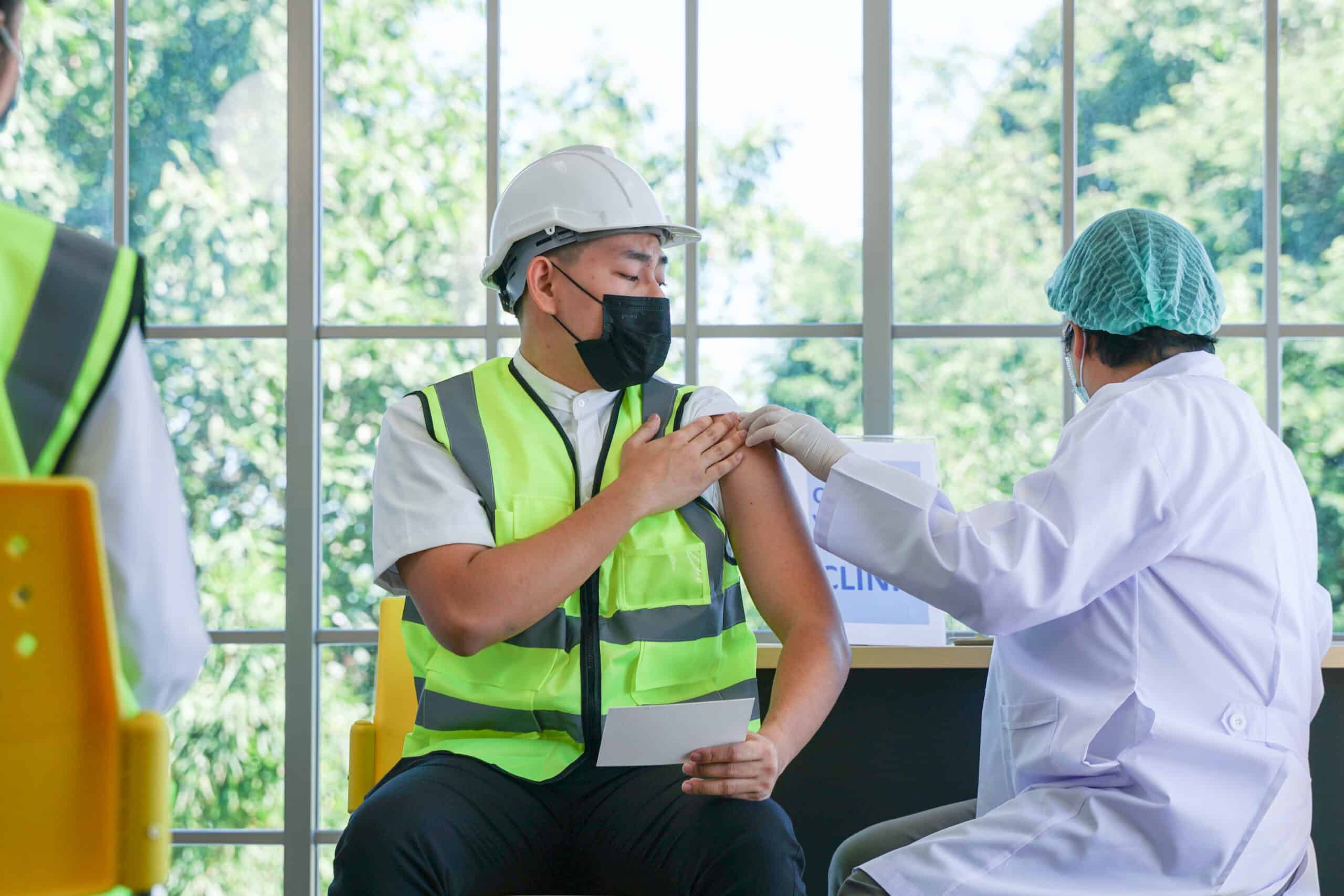
Personal protective equipment is the last line of defense against numerous healthcare hazards. OSHA mandates that employers eliminate or minimize occupational exposure risks.
The safe handling and disposal of sharp objects like needles, scalpels, and other devices capable of penetrating the skin are emphasized because improper disposal can lead to needlestick injuries and infections. Training also includes correct procedures for cleaning contaminated surfaces and using personal protective equipment (PPE) to create a barrier against infection.
EMR-EHR supports your OSHA compliance by enabling easy documentation of employee training sessions and exposure control plans within the system, ensuring your practice stays audit-ready.
3. Hazard Communication Standard (29 CFR 1910.1200)
Healthcare workers frequently use chemicals such as disinfectants and sterilants, which can pose health risks if mishandled. OSHA’s Hazard Communication Standard requires employers to maintain proper labeling of all hazardous chemicals and ensure that Safety Data Sheets (SDS) are readily accessible to employees.
Staff training under this standard focuses on recognizing chemical hazards, understanding labels and SDS, and learning safe handling and storage practices. This empowers healthcare workers to identify dangers early, respond appropriately in case of exposure, and use chemicals safely to prevent accidents or illnesses.
With EMR-EHR, safety data and training records can be linked to employee profiles, helping track who has completed OSHA training for chemical safety. Employers can then provide appropriate PPE such as gloves, masks, gowns, and eye protection, depending on the risk level.
Training for PPE involves teaching staff how to properly put on, remove, store, and dispose of protective gear. Improper use can negate the effectiveness of PPE, so detailed instruction ensures that healthcare workers maintain maximum protection against bloodborne pathogens, chemical exposure, and respiratory risks.
4. Respiratory Protection Standard
Certain healthcare roles require protection against airborne hazards, such as tuberculosis or airborne infectious diseases. OSHA’s Respiratory Protection Standard requires healthcare facilities to conduct fit testing and train employees on proper respirator usage.
Fit testing ensures that respirators form a proper seal on the wearer’s face, preventing contaminants from entering. Workers are also trained on when respirators are necessary, how to clean and store them, and how to recognize any damage or malfunction.
Documenting respirator fit tests and training in EMR-EHR simplifies compliance tracking and helps healthcare administrators stay ahead of OSHA inspections.
5. Ergonomics and Workplace Safety
Musculoskeletal injuries are prevalent in healthcare due to repetitive motions and heavy lifting, especially in patient handling. OSHA recommends ergonomic training to reduce risks by teaching proper body mechanics, encouraging the use of lifting aids, and redesigning workspaces.
Safe patient handling programs reduce injury rates by instructing staff on techniques that minimize strain and incorporating mechanical lifts or transfer devices. This approach not only protects workers but also improves patient safety during transfers.
6. Fire Safety and Emergency Action Plans
Healthcare facilities must be prepared for emergencies like fires, which can spread rapidly in environments filled with oxygen and flammable materials. OSHA requires regular fire prevention training and drills to ensure staff know evacuation routes and emergency procedures.
An effective emergency action plan includes clearly designated roles for staff, communication protocols, and measures to protect patients during evacuation. Regular training refreshes these procedures to maintain readiness.
OSHA Training Requirements by Role in Healthcare
Different healthcare roles face different exposure risks, so OSHA requires tailored training programs:
- Physicians and Nurses receive training focused on clinical hazards like bloodborne pathogens, respiratory protection, and patient handling safety.
- Administrative Staff need training primarily on hazard communication and emergency response to support clinical staff effectively.
- Housekeeping and Janitorial Staff are trained extensively on chemical hazards and infection control to safely manage cleaning duties.
- Laboratory Staff and Technicians focus on chemical safety, biohazards, and proper PPE use to prevent exposure to infectious materials.
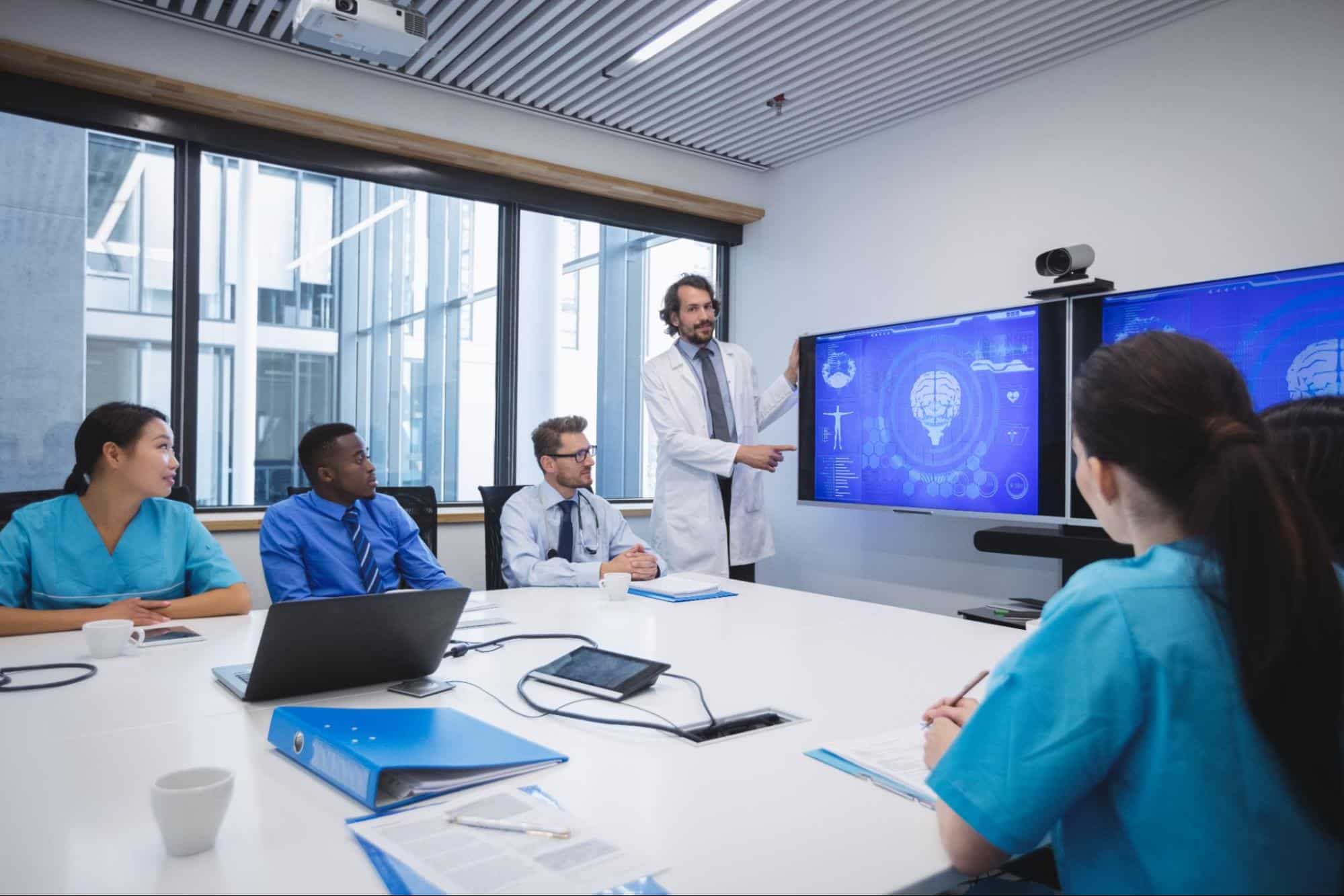
Training is also divided between initial training, which new hires receive during orientation, and annual refresher training to keep all staff updated on OSHA requirements and practice changes.
How to Implement OSHA Training in Your Healthcare Practice
1. Initial Training for New Hires
Onboarding new healthcare workers with comprehensive OSHA training sets a solid foundation for safety. Orientation programs should cover essential OSHA standards, including bloodborne pathogens, hazard communication, and emergency procedures, ensuring that every employee understands workplace risks from day one.
2. Ongoing/Annual Training Requirements
OSHA requires annual refresher courses to reinforce knowledge and introduce updates to standards or procedures. Continuous training fosters a safety-conscious culture and helps reduce complacency. It also ensures that staff remain compliant with evolving OSHA healthcare standards.
3. Documentation and Record-Keeping
Accurate record-keeping is vital. Healthcare practices must document every training session, attendance, and certification to demonstrate compliance during OSHA inspections. Digital tracking tools integrated with Electronic Health Records (EHR) systems, like those offered by EMR-EHR, can streamline this process by automating reminders and centralizing records.
4. Leveraging Online OSHA Training Programs
Many healthcare practices are turning to online OSHA training solutions due to their flexibility, accessibility, and cost-effectiveness. Online courses allow staff to complete required training at their own pace and provide tools for tracking progress and completion certificates, helping practices stay audit-ready without disrupting daily operations.
Common OSHA Compliance Mistakes in Healthcare Practices
Despite best intentions, healthcare practices sometimes fall short of OSHA compliance by:
- Offering inadequate or outdated training that does not reflect current hazards or regulatory updates.
- Failing to maintain proper documentation, leading to difficulties proving compliance.
- Ignoring the training needs of non-clinical staff, such as administrative or housekeeping teams, who also face occupational risks.
- Neglecting to update policies and procedures following OSHA standard revisions or changes in healthcare practices.
Recognizing and correcting these mistakes early helps prevent costly penalties and workplace injuries.
Benefits of OSHA Safety Training for Healthcare Practices
Investing in OSHA safety training yields numerous benefits:
- Reduced workplace injuries and illnesses translate to lower absenteeism, workers’ compensation claims, and healthcare costs.
- Improved staff morale and confidence come from working in a safer environment.
- Increased patient safety is achieved as trained staff adhere to protocols that reduce cross-contamination and medical errors.
- Legal and financial protection is enhanced by maintaining compliance, helping avoid fines and lawsuits that could damage the practice’s reputation and finances.
Resources for OSHA Safety Training in Healthcare
Healthcare practices can leverage multiple resources to support OSHA compliance:
- The OSHA official website offers comprehensive guidelines and training materials.
- State-level OSHA plans provide additional requirements that must be followed in certain regions.
- Professional industry associations and training providers offer specialized OSHA training tailored to healthcare.
Building a Safer Healthcare Environment with OSHA Training

Understanding and adhering to OSHA safety training standards is essential for any healthcare practice committed to protecting its workforce and patients. From comprehensive training on bloodborne pathogens and chemical hazards to ongoing education and robust documentation practices, compliance is a continuous process.
By adopting structured, role-specific OSHA training programs and leveraging modern online tools, healthcare facilities can build a safer, more efficient workplace that meets all regulatory requirements.
Need OSHA compliance support for your healthcare practice? Contact us today for a customized OSHA safety training solution tailored to your needs.
Take the First Step Towards OSHA Safety Training
FAQs
Does EMR-EHR offer OSHA-approved training materials?
Yes, EMR-EHR provides customizable OSHA safety training modules aligned with OSHA healthcare standards, covering bloodborne pathogens, chemical safety, PPE, ergonomics, and more to help your staff meet OSHA requirements for healthcare.
How does EMR-EHR help track OSHA training compliance?
EMR-EHR automates documentation and reminders for OSHA training for healthcare workers, ensuring your practice stays audit-ready and fully compliant with OSHA compliance healthcare regulations.
Can EMR-EHR tailor OSHA training for different healthcare roles?
Yes, EMR-EHR allows role-specific OSHA safety training customization, addressing the unique OSHA requirements for healthcare workers in clinical, administrative, housekeeping, and other roles.
What operational benefits come from integrating OSHA training with EMR-EHR?
Integrating OSHA safety training with EMR-EHR centralizes compliance tracking, saves time, and boosts efficiency, helping your healthcare practice easily meet OSHA healthcare standards and requirements.